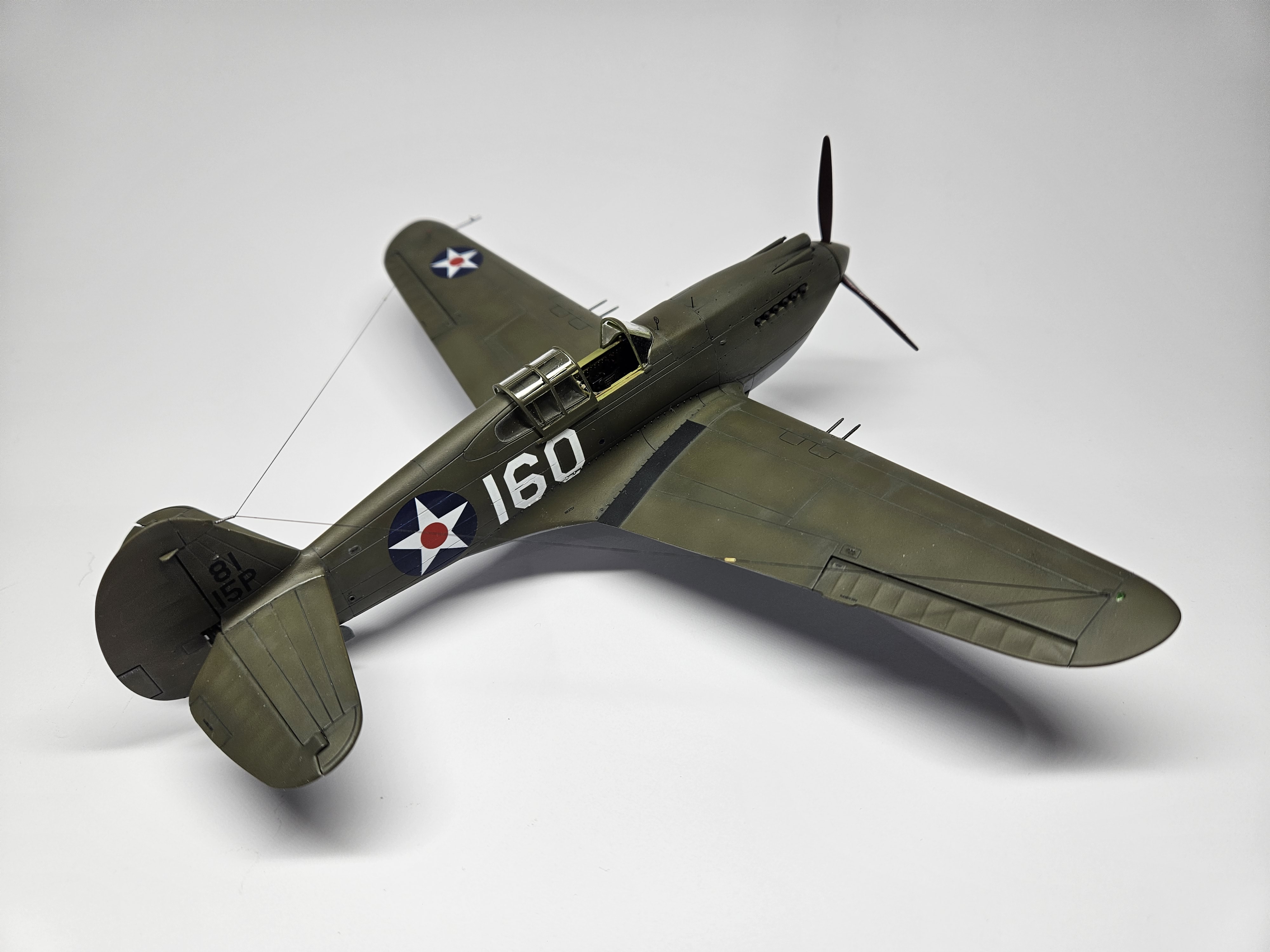
| Built by: | Martin Reid |
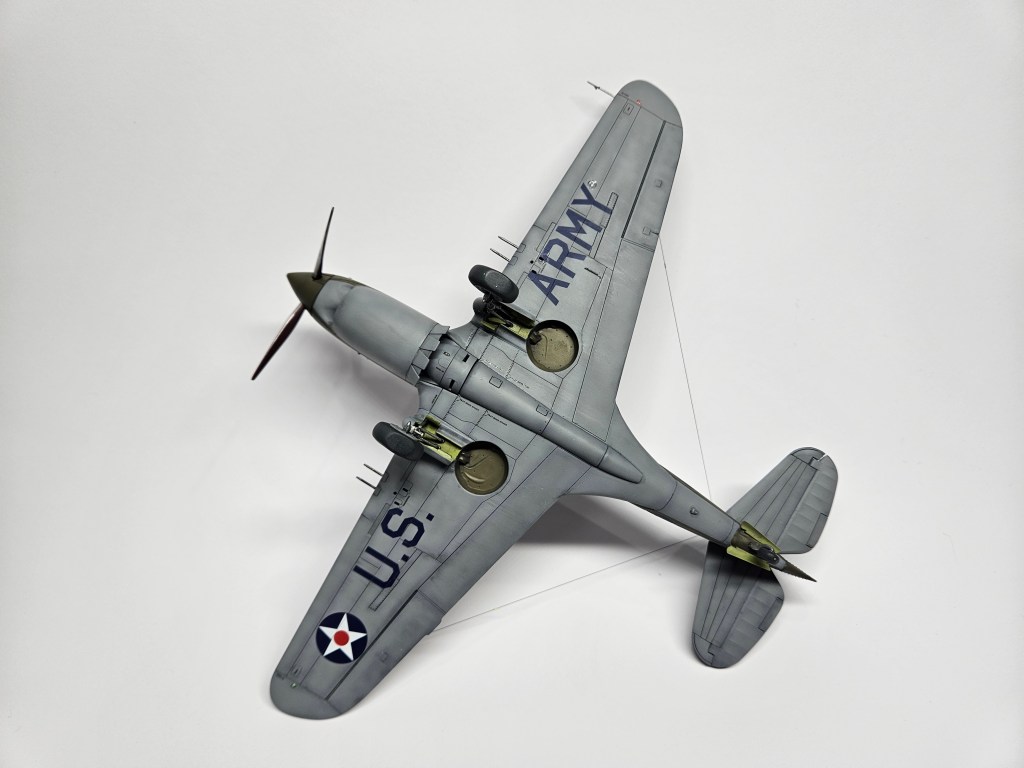
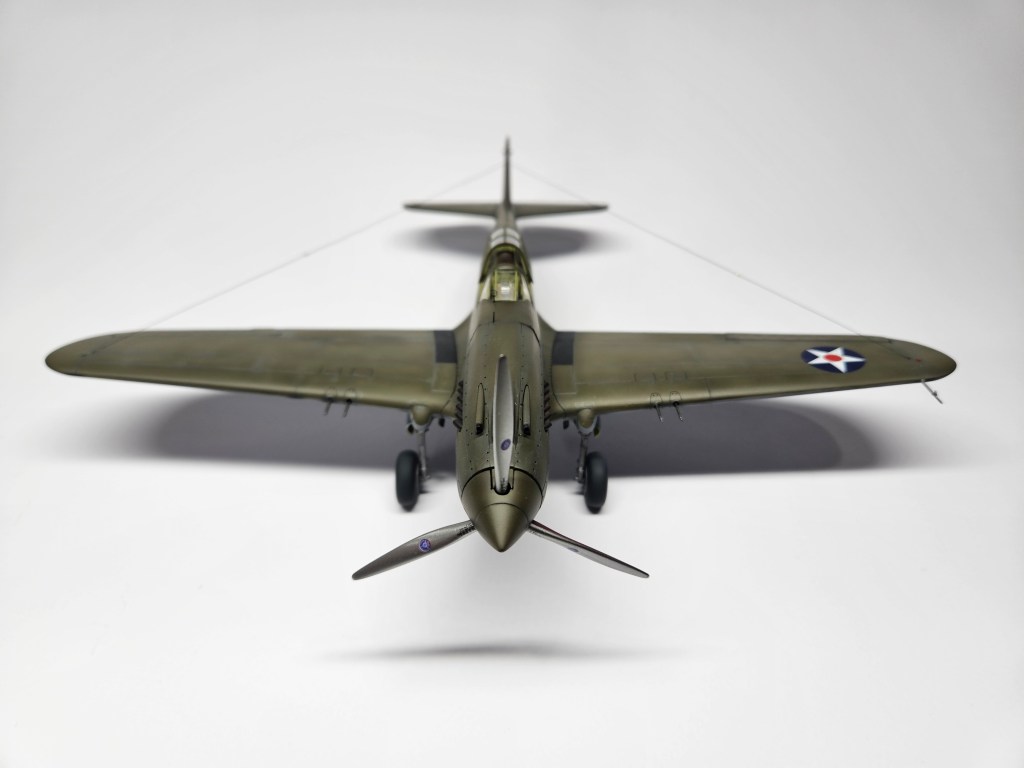
| Kit: | 1/48 Airfix Curtiss P-40B Warhawk (A05130A) |
| Kit Media: | Plastic |
| Modifications and Additions: | Built ‘Out Of Box’ |
| Unit: | 47th PS, 15th PG |
| Location: | Hale’iwa Fighter Strip, Hawaii, 1941 |
| Pilot: | 2Lt Ken Taylor |
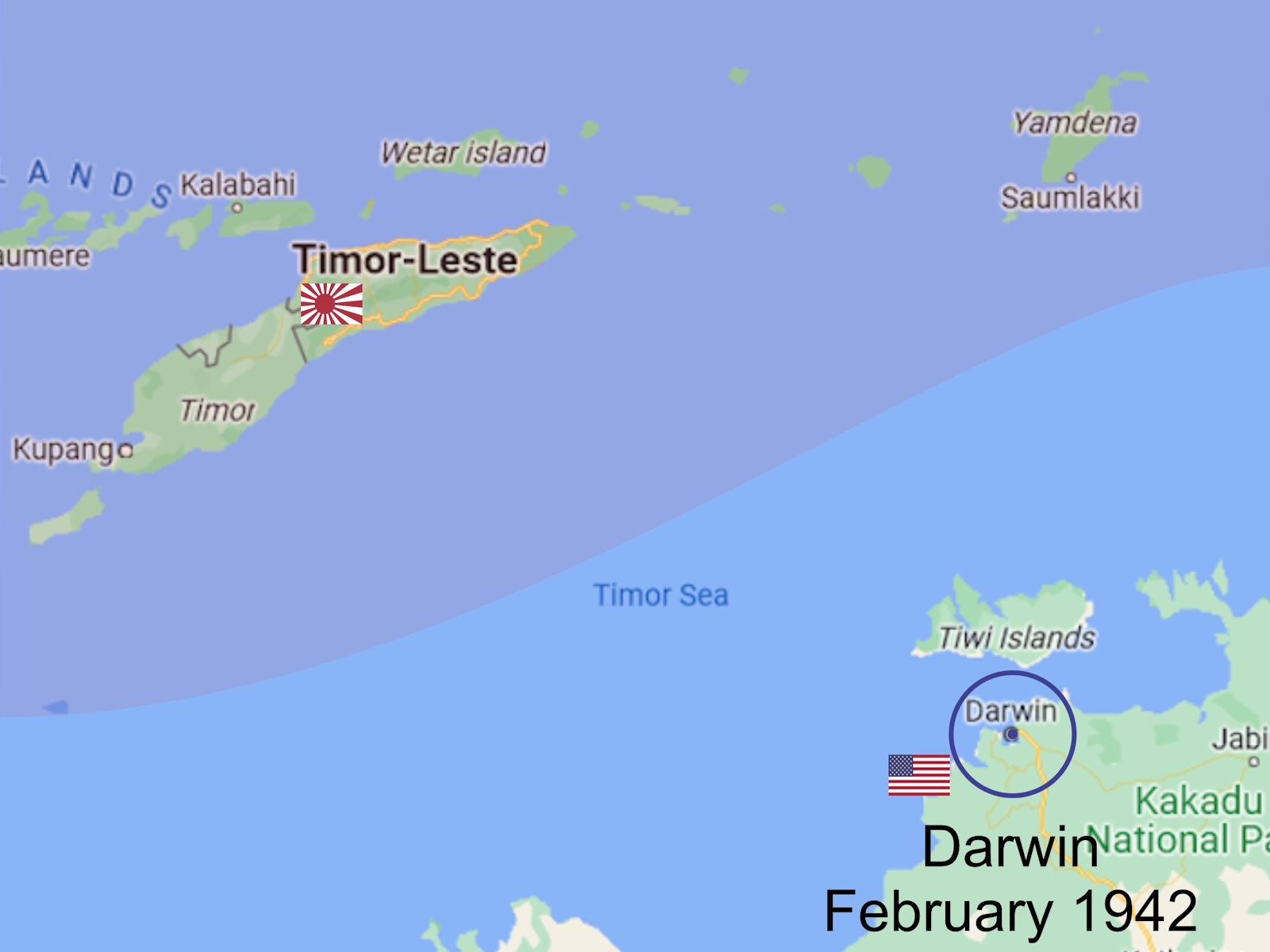
Area of Operations
History
The attack on Pearl Harbor on December 7, 1941, is a defining moment in American history. As the Japanese planes unleashed their devastating assault, a handful of brave pilots from the U.S. Army Air Corps stood up to defend their base. Among them was Lieutenant Ken Taylor, who would become known for his remarkable actions during that fateful day.
Ken Taylor, a pilot with the 47th Pursuit Squadron stationed at Wheeler Field, was enjoying a Sunday morning with his wife when the attack on Pearl Harbor commenced. Immediately recognizing the gravity of the situation, he rushed to the airfield despite the overwhelming chaos and danger.
Taylor and his wingman, Lieutenant George Welch, scrambled into the skies in their P-40 Warhawk fighter planes. Despite being outnumbered and outgunned, they engaged the attacking Japanese aircraft with determination and skill. Taylor, flying his P-40 with the distinct shark-mouth nose art, demonstrated remarkable marksmanship and agility.
In the intense aerial battle that ensued, Taylor and Welch shot down several enemy planes. Taylor himself is credited with shooting down four Japanese aircraft, an impressive feat considering the limited firepower of the P-40 compared to the attacking Zero fighters.
Taylor’s bravery and tenacity during the attack on Pearl Harbor not only disrupted the enemy’s assault but also provided a much-needed morale boost for American forces. His actions, along with those of other pilots who valiantly defended their base, helped to set the stage for the eventual American victory in the Pacific.
Following the attack, Taylor’s heroism was recognized, and he was awarded the Distinguished Service Cross for his actions during the Battle of Pearl Harbor. His story and the courage he displayed that day became an inspiration for many and a symbol of the resilience of the American spirit.
Ken Taylor’s P-40, with its distinctive shark-mouth nose art, has become an iconic image associated with the defense of Pearl Harbor. The shark-mouth design was adopted by many fighter squadrons during World War II, serving as a visual representation of the pilots’ determination and ferocity in combat.
In later years, Ken Taylor continued to serve in the U.S. Army Air Corps and the U.S. Air Force, retiring as a colonel. His legacy as one of the heroes of Pearl Harbor remains an important part of American military history.

 warbirdsamg.com